Towns & cities
Chevilly-Larue
commune in Val-de-Marne, France
France · 48.7664, 2.3533
Chevilly-Larue is named as a filming location in the Wikipedia article of 1 production, in the section each entry below links back to. No Wikidata filming statement points here yet, so this page says plainly which kind of evidence it rests on.

Filmed here, per Wikipedia
Productions whose English Wikipedia article names Chevilly-Larue as somewhere it was shot, with no matching statement on Wikidata. Weaker evidence than a Wikidata statement, and labelled as what it is, each production’s own page links the exact section the claim comes from.
Filming locations nearby
-

Landmarks & buildings
Metropolis
France·1 km south
-

Landmarks & buildings
Cimetière parisien de Thiais
France·2 km east
cemetery located in Val-de-Marne, in France
-

Landmarks & buildings
Centre commercial Belle Épine
France·2 km south-east
French shopping mall
-

Towns & cities
Rungis
France·2 km south
commune in Val-de-Marne, France
-

Landmarks & buildings
Fresnes Prison
France·2 km west
prison in France
-

Towns & cities
Fresnes
France·2 km west
commune in Val-de-Marne, France
Frequently asked questions
What was filmed in Chevilly-Larue?
1 production is recorded as filmed in Chevilly-Larue, including The Bride Wore Black (1968). 1 of the credits come from Wikipedia articles rather than Wikidata statements and are labelled per Wikipedia.
Where is Chevilly-Larue?
Chevilly-Larue is in France. Its coordinates are 48.7664, 2.3533.
What other filming locations are near Chevilly-Larue?
Metropolis (1 km south), Cimetière parisien de Thiais (2 km east), Centre commercial Belle Épine (2 km south-east), Rungis (2 km south) and 2 more, all within 40 km and listed on this page with photographs.
Where does this information come from?
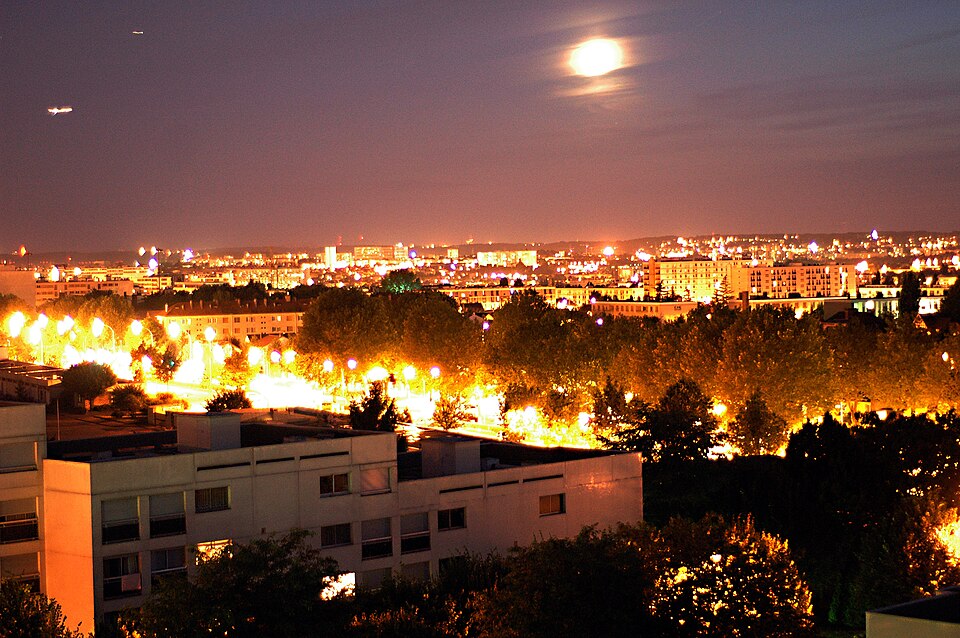
Filming location statements on Wikidata, joined to the place's coordinates and Wikipedia article, plus places named in Wikipedia articles, which are labelled per Wikipedia wherever they appear. The photograph is from Wikimedia Commons, by Valentin Ottone, CC BY 2.0.